
If you’re a homeowner in Sarasota or Manatee County, you’ve probably noticed that Florida’s water regulations seem to change faster than the weather. And 2026 is bringing some significant updates that could directly affect your water softener system and your wallet.
Here’s the thing: Florida’s water quality rules are tightening up, and for good reason. Our beautiful Gulf Coast communities deserve clean, safe water. But these new regulations mean that some older water softening systems might not make the cut anymore.
Don’t panic just yet. Let’s break down exactly what’s changing, what it means for you, and how you can stay ahead of the curve while protecting your family’s health and your home’s plumbing.
What’s Actually Changing in 2026?
Florida’s Department of Environmental Protection has been busy rolling out updated water regulations that affect everything from private well testing to how your water softener drains. These changes aren’t random: they’re a response to growing concerns about environmental impact and water quality across the state.
For Sarasota and Manatee County homeowners, the updates hit close to home. Our area has unique water challenges, from high mineral content in municipal supplies to the specific contaminants found in private wells. The new rules aim to address these issues while also reducing the environmental footprint of residential water treatment systems.
The bottom line? If you haven’t thought about your water treatment setup in a while, now’s the time to pay attention.

New Limits on Water Softener Drainage and Salt Release
Here’s where things get interesting for anyone with a traditional water softener. The 2026 regulations introduce stricter limits on water softener drainage and the amount of salt released into our local water systems.
Why does this matter? Traditional water softeners work by exchanging calcium and magnesium ions for sodium ions. During the regeneration cycle, they flush salty brine water down the drain. Multiply that by thousands of homes, and you’ve got a significant amount of sodium chloride entering our wastewater systems and eventually our environment.
What the new limits mean for you:
- Older, less efficient softeners that use excessive salt may no longer meet compliance standards
- Systems with frequent regeneration cycles could be flagged as non-compliant
- Homeowners may face restrictions on installing certain types of traditional softeners
- There could be increased scrutiny on discharge from residential water treatment systems
If your water softener is more than 10 years old, there’s a good chance it’s using way more salt and water than necessary. That’s not just bad for the environment; it’s bad for your utility bills, too.
The Shift Toward High-Efficiency Systems
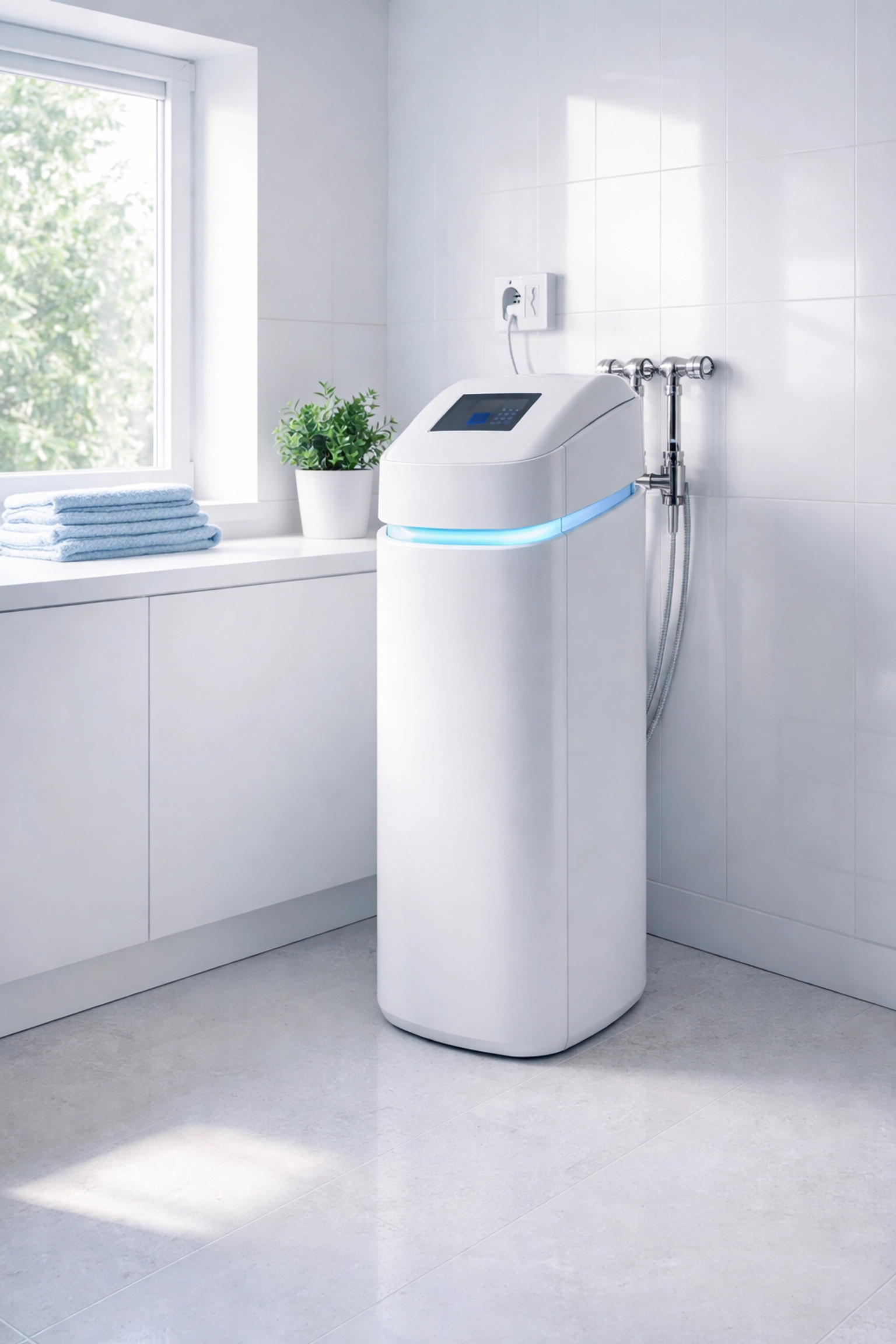
The good news? Modern water treatment technology has come a long way. High-efficiency water softeners and alternative treatment systems use significantly less salt, waste less water, and deliver better results than their older counterparts.
The 2026 regulations are essentially pushing homeowners toward these smarter, more sustainable options. And honestly? That’s a win-win situation.
Benefits of upgrading to a high-efficiency system:
- Less salt usage – Some systems reduce salt consumption by up to 50%
- Water savings – Modern units waste far less water during regeneration
- Better performance – You get softer water with more consistent results
- Lower operating costs – Less salt and water means more money in your pocket
- Environmental compliance – Stay ahead of regulations without the headache
If you’re currently relying on a basic, timer-based softener from the early 2000s, upgrading isn’t just about compliance: it’s about getting better water quality while spending less to maintain it.
PFAS Monitoring: Why It Matters for Your Family
Beyond water softeners, the 2026 updates also include enhanced PFAS monitoring requirements. If you haven’t heard of PFAS, it’s time to get familiar with these “forever chemicals.”
PFAS (per- and polyfluoroalkyl substances) are synthetic chemicals found in everything from non-stick cookware to firefighting foam. They don’t break down easily in the environment or in your body. Studies have linked PFAS exposure to various health concerns, including immune system effects, thyroid issues, and certain cancers.
Florida’s new monitoring requirements mean that water utilities will be testing more frequently and reporting PFAS levels with greater transparency. For homeowners on municipal water, this gives you better insight into what’s actually coming through your tap.
But here’s the catch: Monitoring isn’t the same as removal. Just because your water utility is testing for PFAS doesn’t mean they’re filtering it out. That responsibility often falls on you.
A quality whole house water filtration system with the right technology, like reverse osmosis, can significantly reduce PFAS levels in your drinking water. It’s one of the most effective ways to protect your family from these persistent contaminants.
Lead and Copper Rule Improvements
The updated regulations also bring improvements to lead and copper monitoring. While Florida doesn’t have the same aging infrastructure issues as some northern states, lead and copper can still leach into your water from older pipes, fixtures, and solder joints.
The 2026 rules require more rigorous testing protocols and faster response times when elevated levels are detected. For homeowners, this means:
- Better notification if your area shows concerning levels
- More accountability from water utilities
- Greater awareness of potential risks in older homes
If your home was built before 1986, there’s a higher chance you have some lead components in your plumbing. Even homes built in the 1990s might have brass fixtures containing trace amounts of lead. A comprehensive water test can tell you exactly what you’re dealing with.

What This Means for Sarasota and Manatee Homeowners
Living on Florida’s Gulf Coast comes with unique water challenges. Our groundwater tends to be hard: really hard. That means mineral buildup in pipes, spotty dishes, dry skin, and appliances that wear out faster than they should.
Whether you’re on municipal water or have a private well, the 2026 regulations affect you:
For municipal water users:
- Your utility will be held to higher standards, which is great
- But comprehensive filtration at the point of entry to your home gives you control over your water quality
- Upgrading to a compliant, efficient softener protects your appliances and plumbing
For well water users:
- Stricter testing requirements mean you’ll have better data about your water
- Well construction rules are also being updated
- A customized treatment system addresses the specific contaminants in YOUR well: not a one-size-fits-all solution
The result? Cleaner, safer water that’s gentler on your skin, better for your appliances, and gives you genuine peace of mind.
How Water Treatment & Filtration LLC Can Help
Here’s where we come in. At Water Treatment & Filtration LLC, we’re a veteran-owned, locally operated business with deep roots in the Sarasota and Manatee community. We’ve been helping our neighbors navigate Florida’s unique water challenges for years, and we’re ready to help you tackle these 2026 regulation changes head-on.
What sets us apart? We don’t believe in cookie-cutter solutions. Every home is different. Every water source has its own quirks. That’s why we start with a thorough assessment of YOUR water: whether you’re on municipal supply or drawing from a private well.
Our approach includes:
- Comprehensive water testing to identify exactly what’s in your water
- Personalized recommendations based on your home’s specific needs
- High-efficiency systems that meet or exceed 2026 compliance standards
- Expert installation by trained professionals who know Florida water
- Ongoing support to keep your system running at peak performance
We’re not here to sell you something you don’t need. We’re here to make sure you and your family have access to clean, fresh, great-tasting water: while keeping you compliant with the latest regulations.
Take Action Before the Rules Take Effect
The smartest move? Get ahead of these changes now. Waiting until regulations are strictly enforced could mean rushed decisions, limited options, and potentially higher costs.
Ready to find out if your current system measures up? We’re offering a free premium whole house water filtration system qualification for Sarasota and Manatee County homeowners. There’s no obligation: just honest answers about your water quality and what it would take to protect your home.
Contact us today to schedule your free qualification. Let’s make sure your water and your water treatment system are ready for 2026 and beyond.
Your family deserves water that’s clean, safe, and compliant. And with the right system in place, you’ll enjoy softer skin, longer-lasting appliances, and the confidence that comes from knowing you’ve made a smart investment in your home.