
More than one in five Florida households relies on a private well for their water supply. In rural and semi-rural parts of the state, that number is considerably higher. If your home has a well, you are not unusual. But you are operating under a set of rules that is very different from what municipal water customers experience, and most well owners do not fully understand what that means.
When you are on city or county water, a utility monitors your supply continuously, treats it to meet federal Safe Drinking Water Act standards, and publishes an annual Consumer Confidence Report showing what was tested and what was found. You may not love the way your municipal water tastes, but someone is watching it.
With a private well, none of that applies. No agency tests your water. No utility monitors it. No report gets mailed to you each year. The Florida Department of Health recommends that private well owners test their water annually, but that recommendation carries no enforcement mechanism. Testing happens only if you initiate it.
That is not a reason to panic. Millions of Floridians drink well water every day without issue. But it is a reason to understand what your water may contain and why a water test is not optional maintenance. It is the foundation of responsible well ownership.
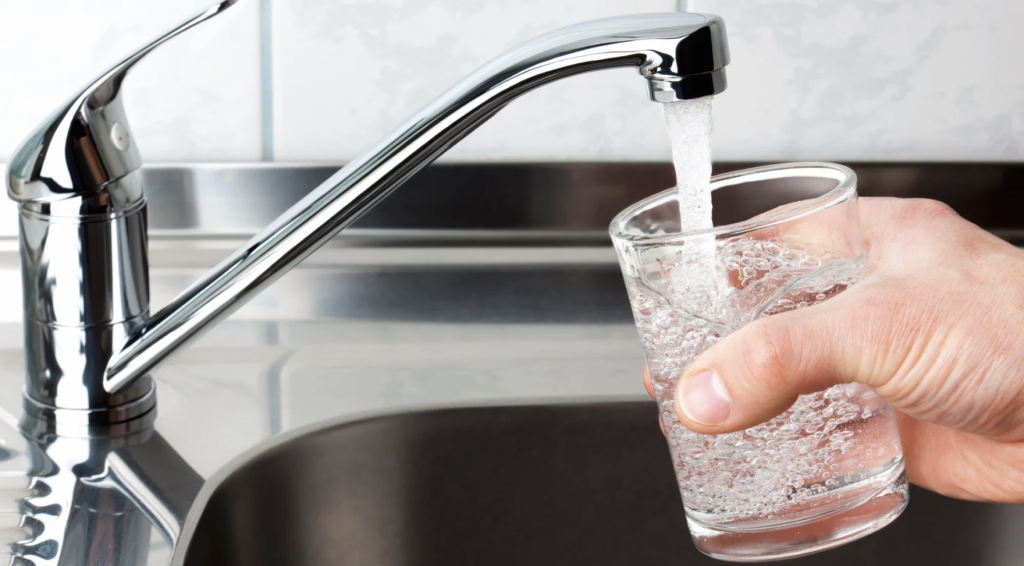
Water Quality Risks Common to Florida Wells
Florida’s geology, climate, and land use patterns create a specific set of water quality concerns for well owners. Not every well will have every issue, but the following are among the most commonly identified problems in residential well water testing across the state.
Bacterial Contamination
Coliform bacteria, including E. coli, can enter a well through surface water intrusion, a deteriorating well casing, improper well construction, or nearby septic system activity. Florida’s high water table, heavy rainfall, and frequent flooding events make surface intrusion a realistic concern in many parts of the state.
Bacterial contamination is invisible. The water looks, smells, and tastes completely normal. The only way to know it is present is to test for it. Total coliform and E. coli testing should be part of any basic well water panel, and testing should be repeated after any flood event or after work is done on the well.
Hydrogen Sulfide
The rotten egg smell that many Florida well owners notice, especially first thing in the morning or when running hot water, is hydrogen sulfide gas. It forms naturally when sulfur-reducing bacteria break down organic matter in low-oxygen groundwater environments. The Floridan Aquifer, which supplies a large portion of the state’s well water, is particularly prone to hydrogen sulfide.
At concentrations typically found in residential wells, hydrogen sulfide is not a significant health hazard. However, it is corrosive to copper plumbing and fixtures over time, and the odor is genuinely unpleasant throughout the home. It also signals that your groundwater has specific chemistry that warrants a full assessment.
Nitrates from Agricultural and Residential Runoff
Nitrates enter groundwater primarily through fertilizer application, agricultural runoff, and leaching from septic systems. Florida’s combination of intensive agriculture, sandy soils, and a shallow water table makes nitrate contamination a recognized concern for well owners throughout the state, particularly in rural and semi-rural areas.
The EPA’s maximum contaminant level for nitrates in public water is 10 milligrams per liter. That limit exists for a reason: at elevated concentrations, nitrates pose a documented health risk to infants under six months, in whom high nitrate intake can interfere with the blood’s ability to carry oxygen. For adults, the risk from levels near the regulatory limit is lower, but nitrate levels in untreated wells can exceed that limit without any visible sign in the water. Testing is the only way to know.
Iron and Manganese Staining
Iron and manganese are naturally occurring minerals in Florida groundwater. At elevated levels they leave orange, brown, or black staining on sinks, toilets, tubs, laundry, and irrigation equipment. Iron bacteria can also produce a slick, reddish-orange biofilm in toilet tanks and on fixtures.
Neither iron nor manganese at the concentrations typically found in Florida wells is a primary health concern, but both are significant nuisances that damage fixtures, stain laundry permanently, and affect water taste. Manganese at high levels has been associated with neurological effects in studies of long-term exposure, which is one reason the EPA issued a health advisory for manganese in 2004. Testing gives you a clear number to work with.
What a Proper Well Water Test Covers
A basic well water test should cover, at minimum, the following:
- Total coliform and E. coli bacteria
- Nitrates and nitrites
- pH and total dissolved solids
- Hardness (calcium and magnesium)
- Iron and manganese
- Hydrogen sulfide
Depending on your location and the land use around your property, a more comprehensive panel may also include testing for arsenic, lead, volatile organic compounds (VOCs), or PFAS compounds. A water treatment professional familiar with your area can advise on what is appropriate for your well’s specific context.
The Florida Department of Health recommends annual testing as a baseline. Beyond that, you should test after a flood, after any nearby land use change such as new agricultural activity or construction, after any work is done on your well, and any time you notice a change in the water’s taste, odor, or appearance. Changes in your water are not always dramatic. A gradually developing smell or a faint new color is still a signal worth investigating.
Starting with What Is Actually in Your Water
Water Treatment & Filtration LLC is a veteran-owned, locally operated company serving Florida homeowners on both well and municipal water. Our approach does not start with a product recommendation. It starts with a water analysis.
Florida well water varies considerably from one property to the next. A home a mile away from yours may have a completely different water profile. Hydrogen sulfide levels, iron concentrations, hardness, and bacterial risk all depend on your specific well depth, geology, casing condition, and surrounding land use. A generic water treatment package designed for some average Florida well may over-treat some things, under-treat others, and miss your actual problem entirely.
We assess your water first, identify what is present and at what levels, and then recommend a whole-home solution tailored to your results. That may mean a sulfur filter, an iron removal system, a softener, a UV disinfection unit for bacterial concerns, or some combination of these. What it will not be is a one-size-fits-all guess.
Schedule a Water Assessment for Your Florida Well
If you have never had your well water tested, or if it has been more than a year since your last test, now is the right time. You may find that your water is in good shape and needs minimal treatment. You may find a problem worth addressing before it becomes a bigger one. Either way, you will know what you are working with.
Contact Water Treatment & Filtration LLC to schedule a well water assessment. We serve Florida homeowners throughout the region and bring the same commitment to every job: understand the water first, then provide the right solution.